


Leg Pain Physical Therapy
Pain in the upper leg and lower leg are common problems. Leg pain can present itself as a sharp, stabbing sensation or simply a dull ache. Sprains and strains are common causes of leg pain, often from overuse of the leg muscles during sports or other exercises.
Why does my leg hurt?
Pain in the upper leg and lower leg are common problems. Leg pain can present itself as a sharp, stabbing sensation or simply a dull ache. Sprains and strains are common causes of leg pain, often from overuse of the leg muscles during sports or other exercises. Pain in the quadriceps, groin, and hamstrings are especially common in athletes who rely on speed in their sport such as sprinters, soccer players, football players, rugby players, lacrosse players, and basketball players. Though quite common, these muscular injuries are often easily treatable through leg therapy. Other areas in the upper leg and lower leg that are susceptible to pain are the calves, shins, and knees.
What are some common symptoms?
Symptoms of leg pain:
- Pain when stretching or flexing thigh muscles
- Broken blood vessels on leg
- Bruising on the leg
- Leg swelling
- Weak legs
- Muscle spasms in the leg
How Physical Therapy Helps With Leg Pain
Leg pain can have many causes, which is why the right treatment starts with understanding what is driving your symptoms. Physical therapy can help reduce pain, improve movement, and support recovery by addressing muscle weakness, tightness, poor movement patterns, and other factors that may be putting extra stress on the leg.
What Happens During Your Evaluation?
Your visit begins with an evaluation to better understand your symptoms, how long they have been present, and which activities make them worse. Your physical therapist may assess your strength, flexibility, balance, range of motion, and gait to help identify the source of your pain and guide the next steps in your care.
What Conditions Can Physical Therapy Help Address?
Physical therapy may help with leg pain related to muscle strains, overuse injuries, tendinitis, and movement problems that affect the hips, knees, or lower legs. It may also help when symptoms are connected to sciatica, which can cause pain, numbness, or tingling that travels down the leg.
What May Be Included in Leg Pain Treatment?
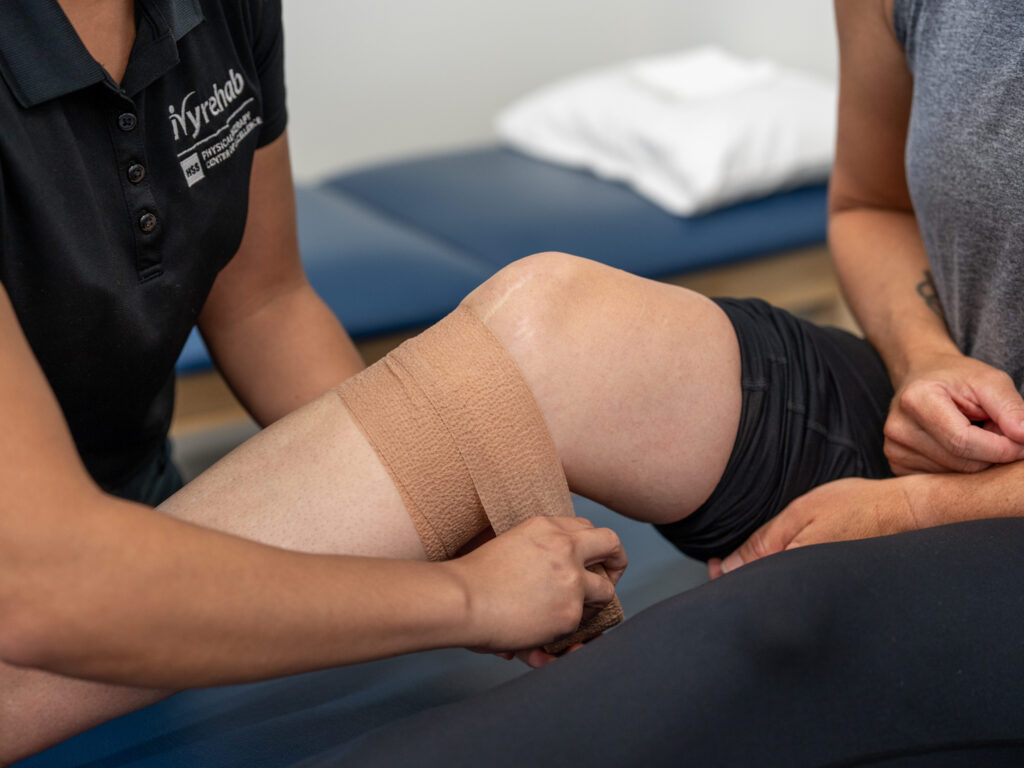
Your treatment plan is based on your symptoms, your goals, and what your therapist finds during the evaluation. Care may include stretching, strengthening, hands-on treatment, and guided exercise to improve mobility, reduce irritation, and help you move with more confidence.
Building Strength and Improving Motion
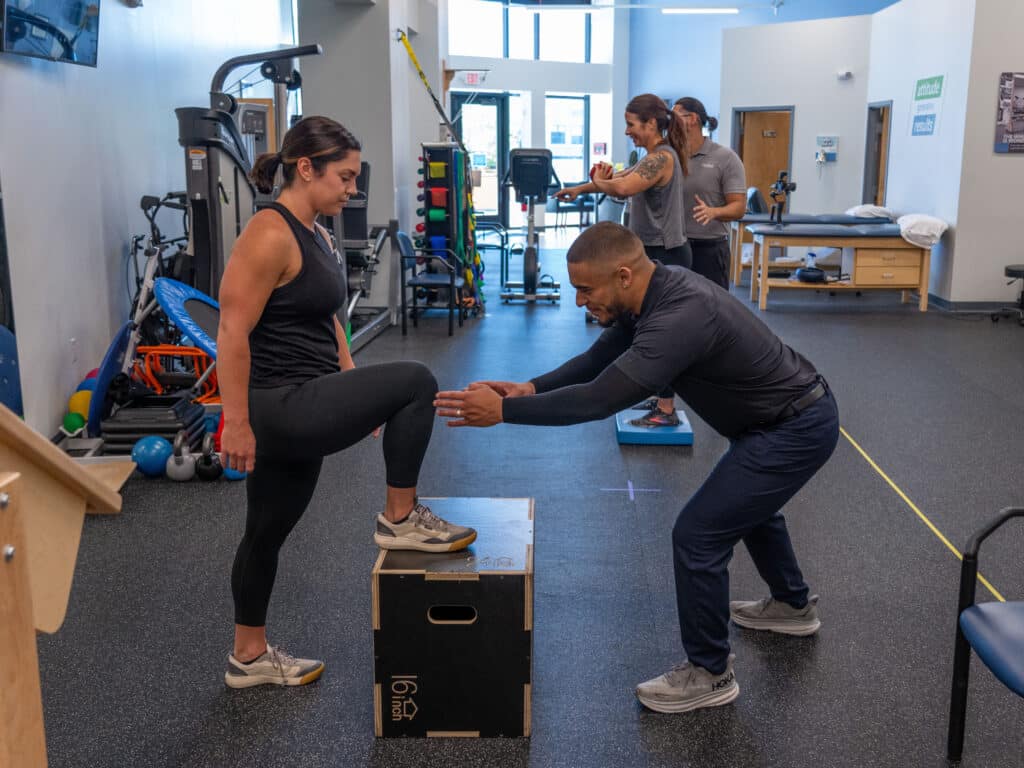
Treatment often focuses on improving strength and range of motion in the muscles and joints that support the leg. This can help reduce stiffness, improve stability, and make everyday activities like walking, climbing stairs, or exercising feel easier.
Supporting Recovery and Helping Prevent Pain From Coming Back
Physical therapy does more than treat current pain. It can also help correct movement habits, training errors, or muscle imbalances that may have contributed to the problem in the first place. This can lower the risk of recurring pain and support a safer return to daily activity or sports.
When Leg Pain May Need Medical Attention
Some types of leg pain can be treated with rest and therapy, but certain symptoms should be evaluated right away. If you notice sudden swelling, redness, warmth, unusual tenderness, numbness, or tingling, or if the pain is severe or worsening, it may be a sign of a more serious issue that needs medical care.
Knowing When to Seek Help
Pain that does not improve, keeps coming back, or limits your ability to walk, stand, or stay active should not be ignored. Getting the right evaluation early can help identify the cause of your symptoms and make it easier to start the right treatment.
What are some reasons for leg pain?
Possible reasons for leg pain:
- Atherosclerosis
- Leg ulcers
- Peripheral Vascular Disease
- Deep Vein Thrombosis
- Sports injuries
- SciaticaMeniscus tear
- Tibial fractures
- Blood clot in the leg
- Arthritis in the leg
- Osgood-Schlatter disease
- Legg-Calve-Perthes disease
- Tendinitis
- Gout
- Surgical procedure
- Nerve damage in the leg
- Muscle cramps (charley horse)
- Acute leg injury
- Slipped disc (herniated disc)
- Varicose veins
- Dehydration
- Overuse of leg muscles
- Torn leg muscle
- Inflamed leg tendon
- Shin splints

FAQs
Can physical therapy help with leg pain?
Yes. Physical therapy can help with many types of leg pain by improving strength, flexibility, movement, and overall function. It is often used for pain related to muscle strain, overuse, sciatica, nerve irritation, and other movement-related issues, with the goal of reducing pain and helping you return to daily activity more comfortably.
How long does physical therapy for leg pain take?
The length of physical therapy depends on what is causing your leg pain, how severe the symptoms are, and how much function you need to regain. Some people improve in a few weeks, while others need a longer course of care, especially if the problem involves nerve irritation, ongoing overuse, or a more complex injury.
When should leg pain be checked by a doctor right away?
Leg pain should be checked right away if it is worsening, does not improve after a few days, or is accompanied by symptoms such as swelling, redness, warmth, numbness, or tingling. These symptoms can sometimes point to something more serious than a routine muscle strain, including circulation or nerve-related problems that may need medical care before starting physical therapy.

Speed up your recovery.
Schedule an appointment with an Ivy Rehab clinic near you. Let us help ease your pain.