


Hip Pain Physical Therapy
Hip pain doesn’t just slow you down – it can stop you in your tracks. When every step, twist, or bend feels stiff or painful, it can make simple things – like walking the dog, getting in your car, or sitting through a meeting – feel like a chore. Whether your discomfort started suddenly or crept in over time, Ivy is here with expert hip pain treatment to help you move freely again.
Why does my hip hurt?
The hip joint is a strong, weight-bearing structure, but that doesn’t mean it’s immune to breakdown. Whether your pain came from overuse, injury, or years of wear and tear, the cause isn’t always obvious. Conditions like arthritis can also affect how your hip moves and feels over time. That’s why it’s important to act early.
Some of the most common causes of hip pain include:
- Osteoarthritis – cartilage breakdown that causes stiffness and grinding
- Bursitis – inflammation of the fluid-filled sacs that cushion the joint
- Labral tears – damage to the cartilage rim inside your hip socket
- Tendinitis and muscle strains – common in athletes and active adults
- Hip fractures – usually from falls or low bone density
- Hip dysplasia – structural instability in the joint
- Pinched nerves – such as sciatica, which radiates into the hip
- Femoroacetabular impingement (FAI) – extra bone growth that restricts movement
The source of hip pain isn’t always where you feel it – which is why a full-body approach is essential to long-term recovery.
Signs it’s time to take action.
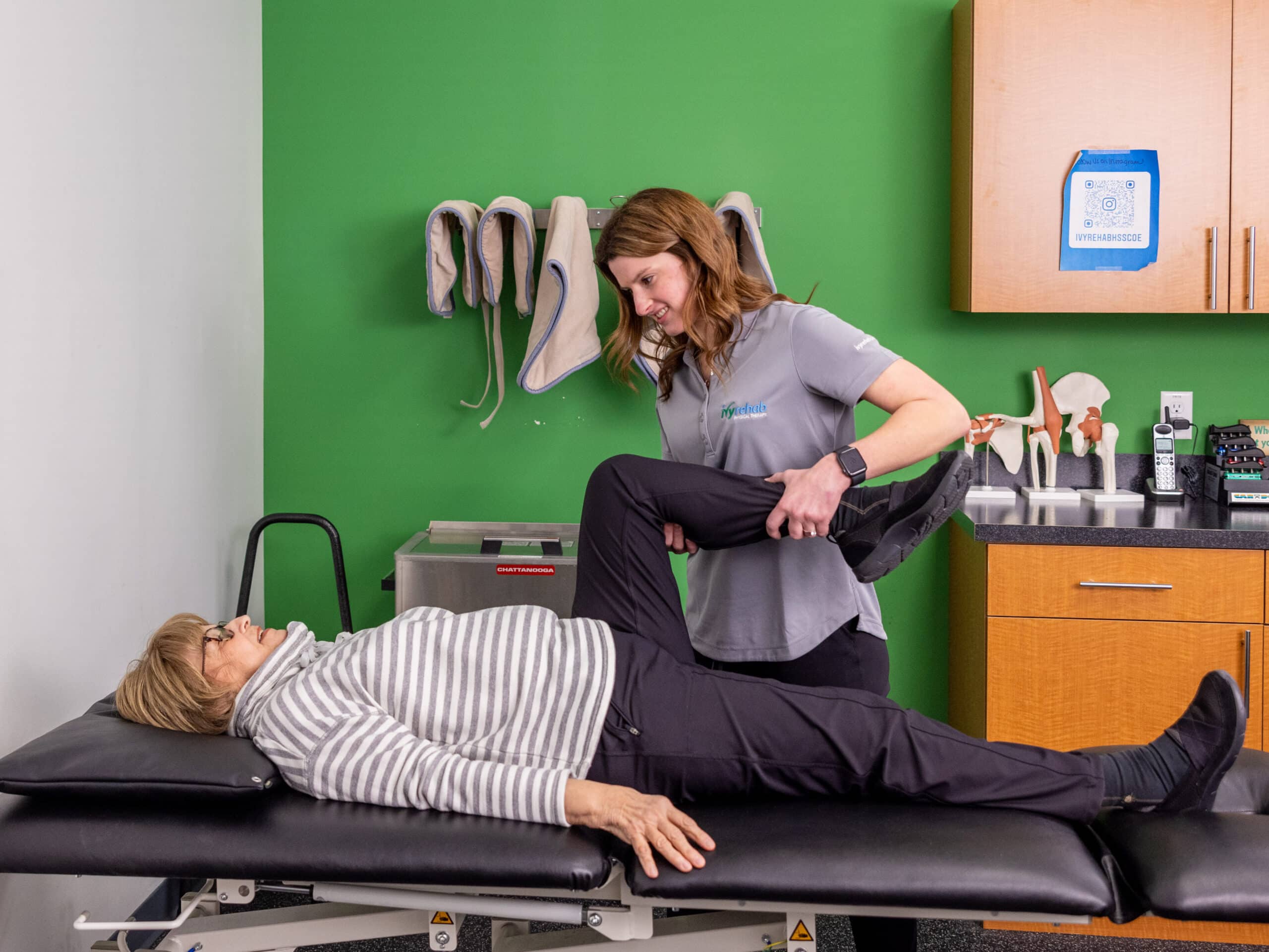
Hip pain symptoms can present in many ways, but some signs indicate it’s time to seek help:
- Persistent pain in your groin, outer hip, or thigh that doesn’t improve
- Stiffness or tightness when standing, walking, or after sitting for long periods
- Clicking, catching, or locking sensations during movement
- Weakness, limping, or instability when putting weight on your leg
- Pain when lying on one side or trying to sleep
- Pain that disrupts sleep or everyday activities
If these hip pain symptoms are interfering with your life, don’t wait – physical therapy can help you take control before things get worse. It may be a good time to see a provider if symptoms continue to affect how you move, rest, or stay active.
Common myths about hip pain.
It’s easy to brush off hip pain or chalk it up to getting older – but that’s not always the case. One common myth is that hip pain is just a normal part of aging and there’s nothing you can do about it. In truth, many hip issues can be treated without surgery, especially if caught early.
Another misconception is that rest will make it better. While taking a short break might help, too much rest can actually make things worse by causing stiffness and weakness. The rice method may help in the early stages of a new flare-up by providing rest, ice, compression, and elevation, but it should not replace the right long-term care plan.
And if you’ve heard that surgery is your only option, don’t worry – most people improve with simple, guided treatments like physical therapy for hip pain. If the pain isn’t going away, it’s not something to ignore. Getting the right care early on can make a big difference. A good time to see a provider or see a physical therapist is when symptoms continue, become chronic, or start to affect your daily routine.

How we provide hip pain treatment.
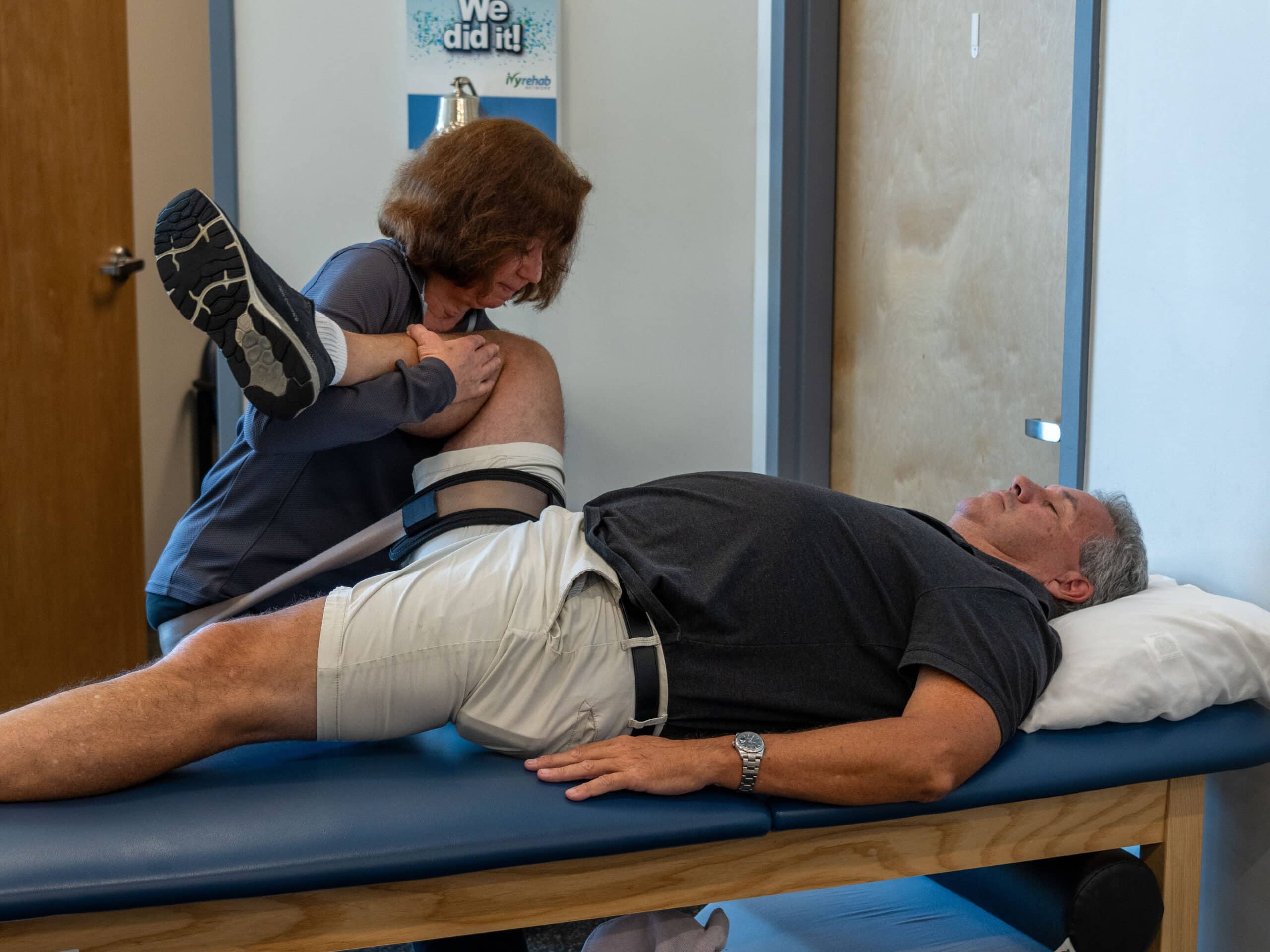
At Ivy, your recovery isn’t just about reducing pain; it’s about restoring strength, movement, and confidence. Our therapists personalize your hip pain treatment plan based on what’s really going on, not just where it hurts.
Treatment may include:
- Physical therapy for hip pain to improve joint stability and reduce strain
- Manual therapy and hands-on techniques to ease tension and restore motion
- Stretching and strengthening exercises to support long-term join health
- Postural and gait training to prevent future flare-ups
- Pain relief techniques like heat, ice, or electrical stimulation when needed
We’ll meet you where you are and build a plan to help you get where you want to go.
Hip pain exercises for recovery.
No two recovery plans are alike, but the right exercises for hip pain can make all the difference. Your physical therapist will guide you through movements that improve:
- Mobility – restoring range of motion
- Strength – targeting glutes, hip flexors, and core muscles
- Balance and stability – reducing fall risk and improving control
- Movement efficiency – teaching your body how to move without compensation
You’ll build strength from the ground up – one movement at a time.
When to see a hip pain specialist.
If hip pain is holding you back from walking, working, or enjoying the things you love, don’t wait to get help. You should reach out if:
- Your pain has lasted longer than a week
- You’re struggling with daily tasks like standing or climbing stairs
- You feel unsteady or notice a change in how you move
- You’re recovering from hip surgery or a recent injury
You want to stay active and avoid more invasive treatment
FAQs
Can physical therapy help with hip pain?
Yes. Physical therapy can help with many types of hip pain by improving strength, mobility, and the body’s movement. It is often used for conditions such as hip arthritis, bursitis, impingement, and other conditions that affect the joint or surrounding muscles.
The goal is not just to ease discomfort, but to help you move with more confidence and get back to daily activities with less pain. For many people, conservative care like physical therapy can also help delay or avoid more invasive treatment.
How long does physical therapy for hip pain take?
That depends on what is causing your hip pain, how long you have been dealing with it, and what your recovery goals look like. Some people improve within a few weeks, while others need a longer course of care, especially if symptoms are more persistent or the condition is more advanced.
Your therapist will adjust your plan as you progress, with the goal of helping you move better, feel stronger, and return to the activities that matter most to you.
What happens during my first physical therapy visit for hip pain?
Your first visit usually starts with a conversation about your symptoms, medical history, and the activities or movements that seem to make your pain better or worse. From there, your physical therapist will perform an evaluation to better understand how your hip pain is affecting your movement and what may be contributing to it.
Based on what they find, your therapist will create a treatment plan that may include guided exercises, hands-on care, and other strategies to improve strength, mobility, and function. The plan is built around your needs, your goals, and what will help you move more comfortably.
When should I seek help for hip pain?
It is a good idea to seek help if your hip pain is not improving, keeps coming back, or is starting to affect how you walk, sleep, exercise, or get through the day. Even pain that comes and goes can be worth checking, especially if it is limiting how you move.
Getting care early can make a big difference. The sooner you understand what is driving your pain, the sooner you can start the right treatment and work toward lasting relief.

Take the first step toward relief.
Hip pain doesn’t have to control your day. Our team is ready to help you move better, feel stronger, and reclaim your routine – without unnecessary procedures or guesswork. Schedule an appointment today and discover how expert hip pain treatment can help you take the next step forward – comfortably.