


Pelvic Pain Relief Through Physical Therapy
Pain can be defined as an unpleasant sensory and emotional experience associated with actual or potential tissue damage. Pain can be inflammatory or chemical, mechanical, ischemic, neurogenic or central in nature.
Why does my pelvis hurt?
Pain can be defined as an unpleasant sensory and emotional experience associated with actual or potential tissue damage. Pain can be inflammatory or chemical, mechanical, ischemic, neurogenic or central in nature. Varied origination of pain can lead to varied treatment regimens. Pain in the pelvis and hips can be associated with nerve entrapments, muscle strain, abnormal muscle tension, muscle weakness, ligamentous laxity, scar tissue. Physical therapy can complete a thorough evaluation of the musculoskeletal system along with prior medical history and environmental influences to develop an individualized plan for potential recovery from pain. Our team of specialists help manage complex conditions such as vaginismus, bladder prolapse, post-surgical complications, sacroiliac dysfunction and more.
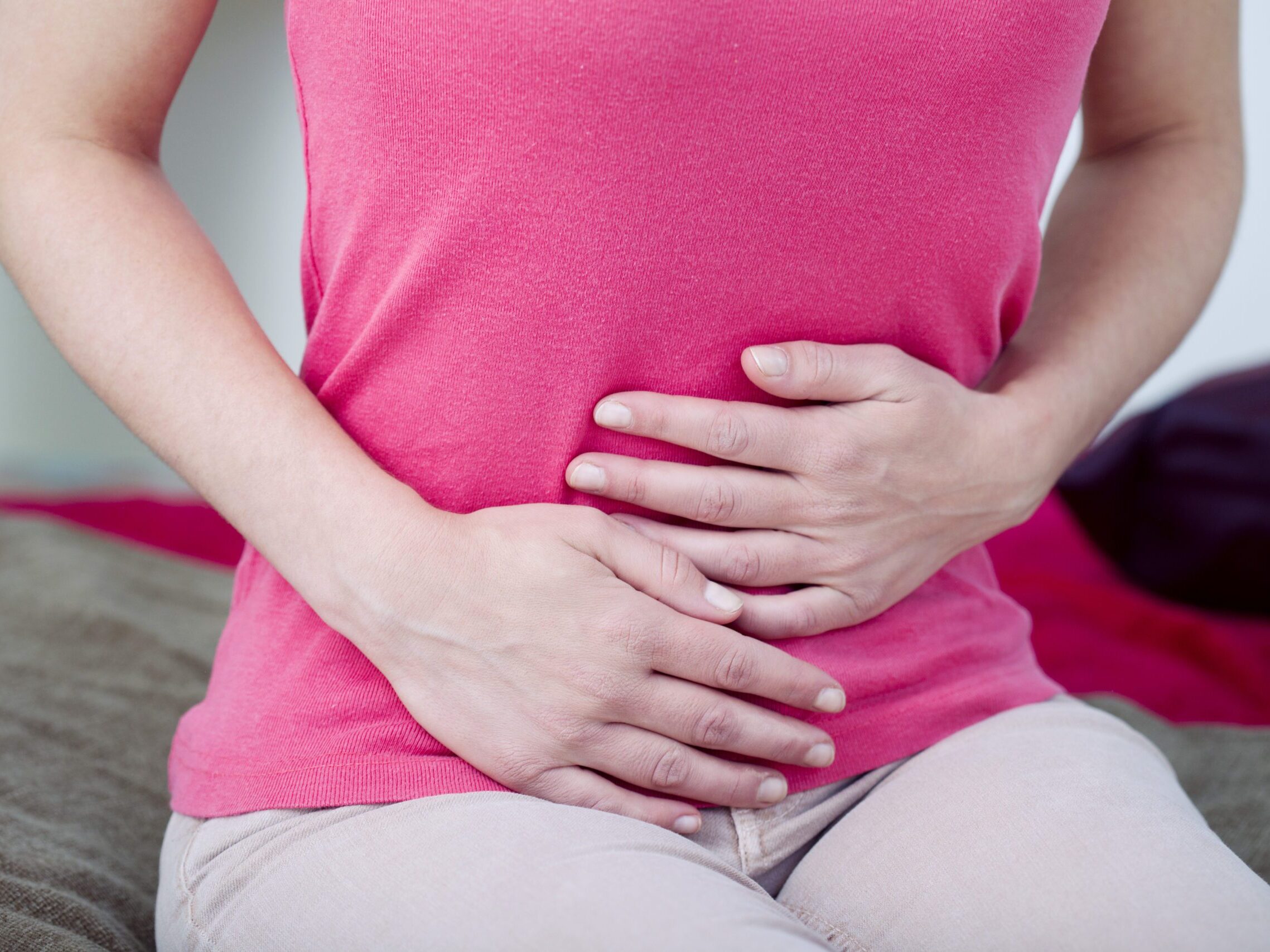
What are some common symptoms?
Possible reasons for pelvic pain:
- Cramping
- Bloating
- Pain during intercourse
- Painful bowel movements
- Low back pain
- Groin or hip pain
What are some reasons for pelvic pain?
Possible reasons for pelvic pain:
- Post-surgical complications
- Coccygodynia
- Constipation
- Disuse atrophy
- Interstitial Cystitis
- Endometriosis
- Muscle Discoordination
- Sacroiliac dysfunction
- Tension Myalgia
- Trigger Points
- Vaginismus
- Post prostatectomy
- Vulvar Pain Syndromes
What Is Pelvic Floor Physical Therapy?
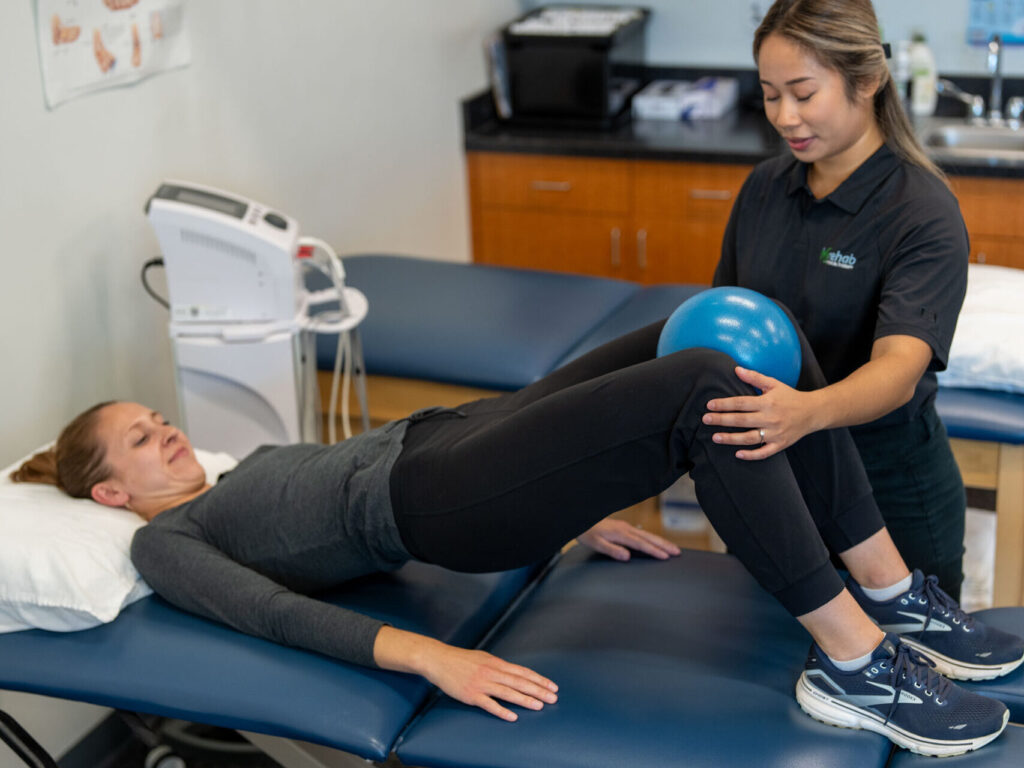
Pelvic floor physical therapy is a specialized area of pelvic health that focuses on the pelvic floor muscles. These muscles help support the bladder, bowel, rectum, uterus, prostate, and core, and they play an important role in comfort and daily function.
Who Can It Help?
Pelvic floor therapy can help people with a wide range of pelvic health concerns, including those related to:
- Pregnancy and postpartum recovery.
- Incontinence or changes in urination.
- Pelvic pressure or pain.
- Pain with sexual activity.
- Symptoms after surgery or trauma.
What Symptoms and Conditions Can Pelvic Floor Therapy Address?
Pelvic floor dysfunction can affect many different symptoms and conditions. Treatment may help when pelvic symptoms are linked to muscle tightness, weakness, or poor coordination.
Common issues may include:
- Incontinence.
- Frequent urination.
- Constipation or reduced bowel control.
- Pelvic pressure or heaviness.
- Pain with sitting, movement, or intimacy.
- Symptoms related to prostate concerns.
- Recovery needs that vary by age and gender.
What May Treatment Include?
A physical therapist will assess your symptoms and create a personalized treatment plan based on your needs and goals.
Treatment may include:
- Education and exercise.
- Pelvic floor exercises.
- Breathing strategies.
- Stretching and strengthening to support the pelvis and core.
- Exercises and manual therapy.
- External or internal treatment, when appropriate.
How Treatment Is Tailored
Your therapist may use a hands-on technique to help relax tight muscles, improve coordination, and reduce discomfort. In some cases, the therapist may use manual therapy to improve movement and help relieve symptoms.
Benefits of Pelvic Health Physical Therapy
The benefits of pelvic health physical therapy can include better comfort, improved control, and more confidence in daily life.
Therapy can help:
- Reduce pain and pressure.
- Improve bladder and bowel habits.
- Strengthen muscles that need more support.
- Improve movement and daily activity.
- Improve overall quality of life.
What to Expect at Your First Appointment
At your first appointment, your therapist will work with you to review your history, symptoms, and any questions or concerns you have. Your visit may include movement testing and other exam steps to help guide your care, and everything should be explained clearly so you feel comfortable.
FAQs
How do I know if I need pelvic floor physical therapy?
You may benefit from pelvic floor physical therapy if you have pelvic pain, pain during intercourse, constipation, bladder or bowel symptoms, tailbone pain, or symptoms that started during pregnancy, after childbirth, or after surgery. These are all common reasons people seek this type of care.
Because pelvic pain can have many different causes, the best first step is an evaluation with a physical therapist who can help identify what may be contributing to your symptoms and build a plan that fits your needs.
How long does pelvic pain physical therapy take to work?
That depends on the cause of your symptoms, how long you have been dealing with them, and what your treatment plan includes. Some people start to notice progress within a few visits, while others need several weeks or months of consistent care.
Your therapist will build a plan around your goals and adjust it as you progress. The focus is always on helping you feel better, move more comfortably, and get back to the activities that matter most to you.

Speed up your recovery.
Schedule an appointment with an Ivy Rehab clinic near you. Let us help ease your pain.