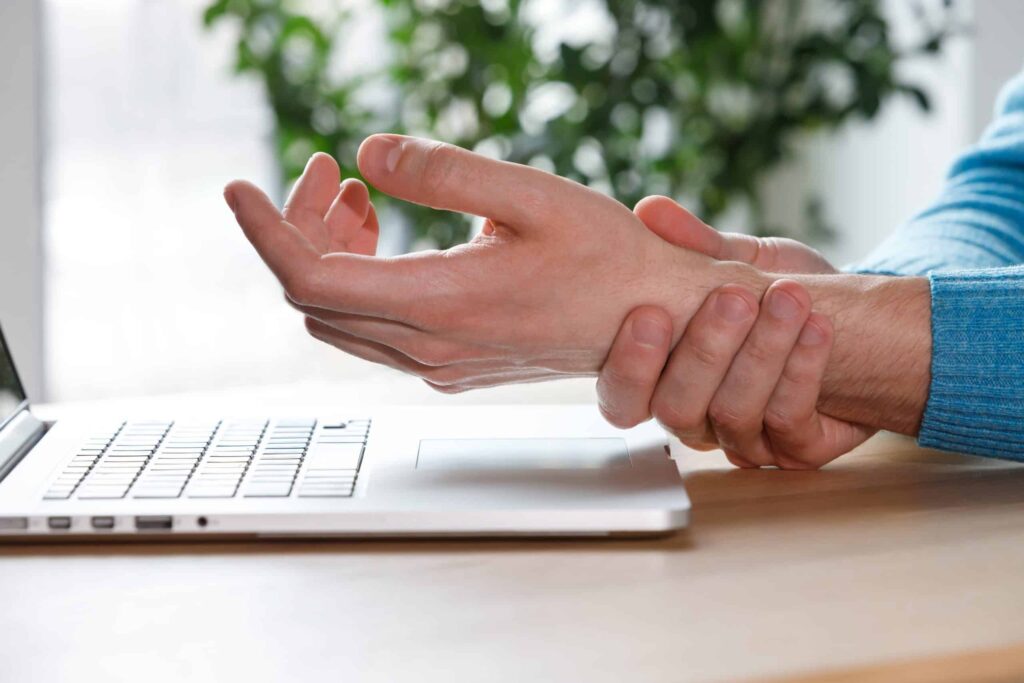

Has one of your fingers ever become stuck in a bent position, becoming painful and difficult to straighten after holding your cup of coffee? Does your finger click when you are holding a knife and fork? If you’re waking up with numb hands alongside these symptoms, then you may be experiencing trigger finger. Read on to learn more about this condition as well as how to treat trigger finger without surgery plus tips for managing the symptoms effectively.
What is Stenosing Tenosynovitis, or Trigger Finger?
Stenosing tenosynovitis, commonly known as trigger finger, is a condition where the lining of the flexor tendon becomes thick or swollen. The increased thickness and swelling compress the affected tendon preventing it from gliding smoothly. This can cause the tendon to click or get stuck and locked. Prolonged irritation through repetitive use of the hand may cause scarring and the formation of nodules. The average age of onset is 50 or older, and evidence suggests the ring finger is most commonly affected.
Let’s review the basic anatomy of the trigger finger. Each finger has tendons that run on the palm side of the finger that is responsible for flexing or bending the finger. These tendons are surrounded by a protective sheath and run through a system of pulleys that help to keep the tendon in place. In most cases, the most common location for developing trigger finger is at the base of the finger on the palm side of the hand at the large knuckle called the metacarpophalangeal joint (MCP). This is the area of the A1 pulley. You can think of the A1 pulley as the eye of a sewing needle and the flexor tendon in its sheath is a piece of thread. When the tendon sheath becomes swollen and irritated, it’s like trying to thread twine through a sewing needle; the twin will get stuck.
Signs and Symptoms
Trigger finger symptoms can look like:
- Stiffness in your finger
- Tenderness and/or a nodule at the base of the finger
- Locking of your finger in a bent position
- Popping or clicking when you move your finger
If you’re starting to notice these signs, it’s best not to ignore it. Early treatment can make a big difference in preventing long-term discomfort or limited movement. With the right care and attention, trigger finger can be very treatable.
Causes and Risk Factors
The exact cause of a trigger finger is not known, but there are several factors that could contribute to it:
- Repetitive use of the hand – Performing the same gripping or finger movements over and over (such as typing, texting, or using handheld devices) can strain the tendons in your fingers, causing inflammation that leads to triggering or stiffness.
- Prolonged use of hand-held tools – Holding tools like scissors, pliers, or screwdrivers for long periods puts continuous pressure on your hand tendons. Over time, this repetitive stress can cause irritation, swelling, and eventually the locking or catching feeling associated with trigger finger.
- Local trauma to the hand or finger – A direct injury to your palm or finger can inflame or scar the tendon sheath. This disrupts the smooth motion of the tendon, making it more likely to “catch” as you bend or straighten your finger.
- Degenerative forces and stress to the hand – Age-related wear and tear, joint stress, or underlying conditions such as arthritis can weaken and irritate the tendons and surrounding tissues, contributing to stiffness, wrist pain, and difficulty moving the fingers freely.
Does It Go Away on Its Own?
In some mild cases, trigger finger may ease with rest and activity changes, but it rarely goes away completely without care. Because inflammation and stiffness can worsen over time, waiting too long can make recovery harder.
Gentle stretching, reducing repetitive hand motions, and applying heat can help manage discomfort in the short term. However, if your finger continues to lock or becomes more painful, it’s best to consult a hand therapist early. With the right guidance, you can restore movement and prevent long-term irritation before it interferes with daily activities.
What Happens If Trigger Finger Goes Untreated?
Trigger finger or trigger thumb symptoms need to be addressed to maximize hand function and decrease pain. Inflammation, stiffness, and pain typically get worse when you leave an untreated trigger finger alone, and you may find the affected finger locking more frequently. This can impact your hand function and your quality of life.

Speed up your recovery.
Schedule an appointment with an Ivy Rehab clinic near you. Let us help ease your pain.
How Do You Release a Trigger Finger at Home?
Trigger finger surgery is not always necessary and treatment options can include releasing it at home. If you find your finger locks or “gets stuck” at home, you can release it in a few, simple steps:
- With warm water – Place your fingers or entire hand in warm water for approximately 5-10 minutes. This will allow the tissues to relax and promote increased hand and finger movement.
- Using a heating pad – Once the hand is warmed up with the pad, gently try to make a fist and then straighten the fingers. Repeat this several times until the finger loosens. You may need to apply gentle pressure to the affected finger to assist in straightening the finger out.
- By massaging – Another technique to release a trigger finger is to locate the nodule in the palm in the area of the affected finger. Gently massage the area using a circular motion to gently release the tissues and attempt to straighten your fingers.
Can Trigger Finger Be Treated with Therapy?
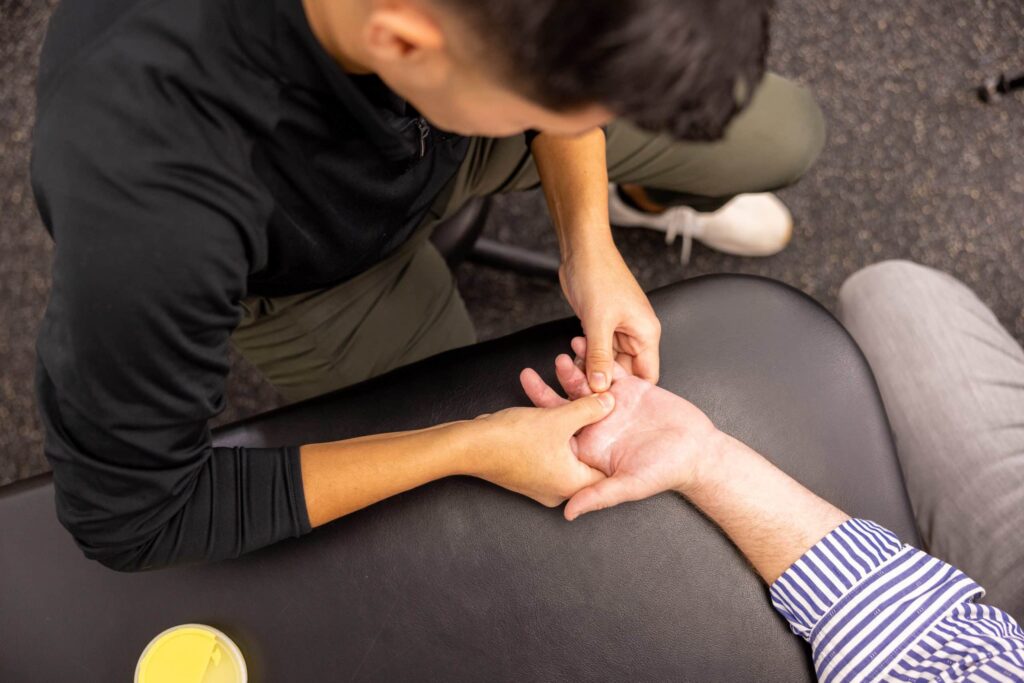
Yes, another option for treating trigger finger without surgical treatment is rehabilitation physical therapy. An occupational therapist or hand therapist can guide you through the process of decreasing your trigger finger symptoms and improving how your hand works through conservative treatment options or non-surgical management:
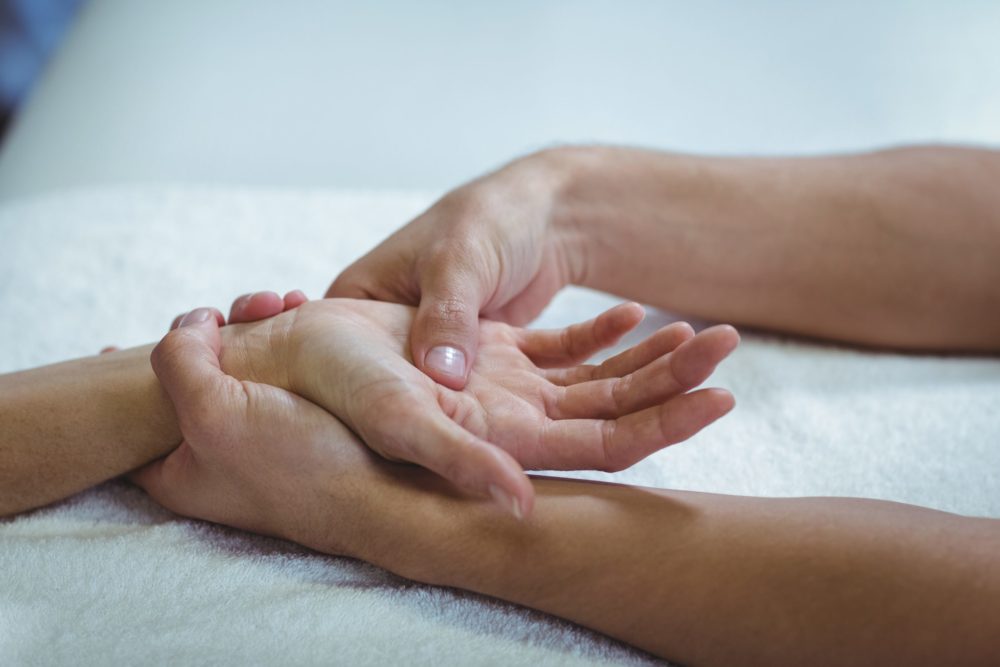
- Heating treatments –A moist heating pad or paraffin wax can be applied to your hand to alleviate stiffness and prepare your hand for therapy. Your therapist will use various manual therapy techniques including stretching your fingers to improve your range of motion, and soft tissue massage to decrease stiffness and increase circulation to the area for healing.
- Finger splints – Another treatment option is using a small finger splint that can be made by your therapist. These small splints limit the affected finger from flexing or bending repetitively at the MCP joint or the large knuckle of the finger. By allowing the inflamed tendon to rest, the inflammation will decrease, and the triggering or locking of the finger should lessen. The finger splint is typically worn during times of activity during the day and can be used at nighttime as well.
- Manual therapy techniques – Your therapist can also provide you with an exercise program to complete at home to maximize your range of motion and function of the hand.
How to Prepare for Your Therapy Appointment
Before your first therapy session, take a few moments to think about your symptoms and daily routines. Note when your finger tends to catch or feel sore, and bring that information with you. It helps your therapist create a personalized plan.
Wear comfortable clothing that allows free movement of your arms and hands. If you use any splints or braces, bring them along for review. Most importantly, come to the session ready to participate and ask questions.
How Long Does It Take to Recover from Trigger Finger Without Surgery?
Recovery time for trigger finger without surgery varies depending on the severity of the condition and how early treatment begins. With consistent therapy, most people experience improvement in symptoms within a few weeks to a couple of months. The use of splints, stretches, and heat therapy, combined with modifications to daily activities, can significantly reduce pain and stiffness.
However, the time it takes to regain full function may differ based on individual factors such as age, overall health, and adherence to the prescribed home exercise program. Being patient and consistent with your treatment plan is key to achieving a full recovery.
Preventing Trigger Finger Recurrence
Once you’ve recovered from trigger finger, it’s important to take steps to prevent the condition from recurring. Here are a few tips to protect your hands:
- Activity modification – Avoid repetitive gripping or pinching motions that put stress on the fingers. If your job or hobby involves repetitive hand and finger movement, take frequent breaks and alternate tasks to give your hands a rest.
- Use proper tools – If you use tools frequently, ensure they are ergonomically designed to minimize stress on your fingers. Cushioned grips and larger handles can reduce strain.
- Stretch and strengthen – Regularly stretching your hands and fingers can keep them flexible, and strengthening exercises can help maintain healthy tendons. Your therapist can recommend trigger finger exercises to continue even after recovery.
- Pay attention to early signs – If you begin to notice any stiffness, clicking, or pain in your fingers, don’t ignore it. Early intervention can prevent the return of trigger finger symptoms.
Begin Your Recovery Journey at Ivy Rehab
Trigger finger can have a significant impact on the use of your hand and your daily routine. Recognizing and addressing symptoms early is a key factor in treating trigger finger. Occupational therapy is an excellent avenue for conservative or non-surgical management of this condition as it helps bring back your flexibility and reduce pain.
At Ivy Rehab, our occupational therapists and certified hand therapists specialize in the treatment of the trigger finger. Find a clinic near you to restore your hand function and and get you back to the activities you enjoy most, without that frustrating “catch” in your finger.
References
- PubMed Central. “A Critical Appraisal of Adult Trigger Finger: Pathophysiology, Treatment, and Future Outlook.” https://pmc.ncbi.nlm.nih.gov/articles/PMC6756654/

Before you go
Find the right therapy today.
Discover how Ivy Rehab can help you get back to doing what you love.