

Orthopedic Therapy
Pain, injury, or surgery can make everyday movement harder than it should be. Orthopedic therapy can help you improve strength, mobility, balance, and function so you can get back to the activities that matter to you.
Our physical therapists take time to understand what’s going on, how it affects your life, and what you want to do more comfortably.
What Is Orthopedic Therapy?
Orthopedic therapy is physical therapy for pain, injury, post-surgery recovery, and movement problems affecting the muscles, joints, bones, tendons, ligaments, and soft tissues.
It can help with pain, injuries, and movement throughout the body, including the neck, back, shoulders, hips, knees, ankles, and feet. Your physical therapist evaluates how you move, identifies what may be contributing to pain or limited function, and creates a care plan around your needs.
Care may include therapeutic exercise, manual therapy, movement training, pain management strategies, and education. The goal is to help you move with less pain and more confidence in daily life.

Orthopedic Therapy at Ivy Rehab Therapy
Your care starts with a complimentary screening, during which your physical therapist learns about your symptoms, goals, and daily routine. If you’re recovering from surgery, managing a sports injury, or dealing with joint pain that has built up over time, your plan should fit how you move and what you want to get back to.
Ivy Rehab Therapy offers outpatient orthopedic therapy for many ages, activity levels, and goals. Your physical therapist will guide your care, adjust your plan as you make progress, and coordinate with your physician or specialist when needed.
What Conditions Does Orthopedic Therapy Treat?
Orthopedic therapy can support many musculoskeletal conditions, including:
- Back pain and neck pain.
- Joint pain from arthritis, overuse, or injury.
- Sports injuries, including sprains, strains, and tendon pain.
- Shoulder pain and rotator cuff injuries.
- Hip, knee, ankle, and foot pain.
- Carpal tunnel syndrome and other hand or wrist concerns.
- Tennis elbow and other repetitive strain injuries.
- Post-surgical treatment after orthopedic procedures.
- Balance, mobility, and movement concerns.
- Chronic pain that affects daily activity.
If pain or limited movement is getting in the way of your routine, a physical therapist can help you understand what may be contributing to it and what support may help.

Our Orthopedic Therapy Services
Therapeutic Exercise
Exercise is a key part of orthopedic therapy. Your physical therapist will choose exercises that match your condition, strength, mobility, and goals.
Your program may focus on building strength, improving flexibility, restoring balance, or retraining movement patterns. Exercises are adjusted as your body responds.
Manual Therapy
Manual therapy is hands-on care that may help reduce pain, improve joint mobility, and ease muscle or soft-tissue tightness. Techniques may include joint mobilization, soft-tissue mobilization, stretching, or trigger-point work.
Your physical therapist may use manual therapy along with exercise and movement training to help you move more comfortably.
Dry Needling
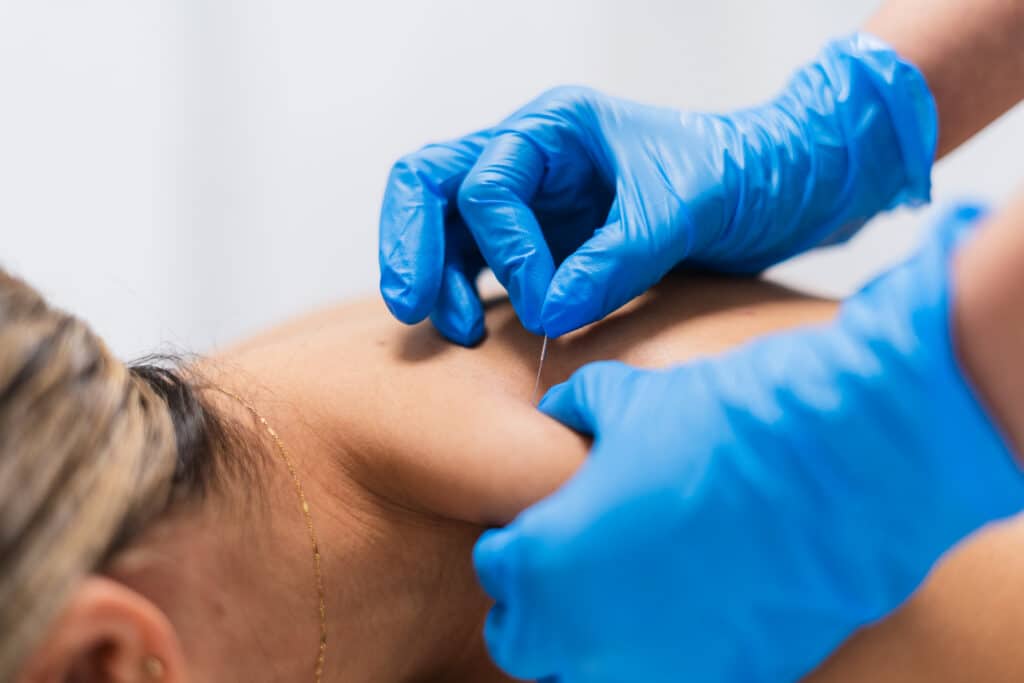
Dry needling may help with muscle tightness, trigger points, and pain when it’s appropriate for your condition. A trained physical therapist uses thin needles in targeted muscle areas to help reduce tension and improve movement.
Dry needling is not right for everyone and may not be available at every location. Your therapist can help determine whether it fits your care plan.
Pain Management Support
Your physical therapist may use heat, ice, electrical stimulation, or other approaches to help manage pain during therapy. These are combined with exercise, hands-on care, and education.
The goal is to help you move more comfortably while you build strength and function.
Post-Surgical Rehabilitation
After an orthopedic procedure, post-surgical treatment helps you recover safely and rebuild movement over time. Your physical therapist will follow your surgeon’s guidance and adjust your plan based on your procedure, symptoms, and goals.
Care may focus on swelling control, range of motion, strength, balance, walking, lifting, or return to work, exercise, and daily activities.
Sports Medicine and Sports Injury Rehabilitation
Orthopedic therapy can also support athletes and active people recovering from sports injuries. Athletic therapy may include strength work, mobility, balance, agility, running progressions, or return-to-sport training.
The goal is to help you recover from the injury and prepare your body for the demands of your sport or activity.
How We Approach Orthopedic Therapy
Step 1: A Thorough Evaluation
Your first visit helps your physical therapist understand what’s going on and how it affects your day. They’ll review your symptoms, health history, movement, strength, and goals.
From there, your therapist can identify a starting point and recommend the care that may help most.
Step 2: A Plan That Fits Your Life
Your plan starts with what your body needs and what you want to get back to. Some people need more hands-on care early on. Others need a guided exercise plan, movement retraining, or support returning to work or activity.
Your physical therapist will adjust your plan as you improve, so your care continues to match your needs.
Step 3: Education and Long-Term Support
Orthopedic therapy should help you understand your body, not just get through a list of exercises. Your physical therapist will explain what may be contributing to your pain, how to move safely, and what to work on between visits.
The goal is to help you feel more prepared to manage symptoms, prevent setbacks, and stay active after therapy.
FAQs
Can Orthopedic Therapy Help With Chronic Pain?
Yes. Orthopedic therapy may help with chronic pain in muscles, joints, the neck, back, or other musculoskeletal areas. Your physical therapist can help you build strength, improve movement, understand symptom triggers, and find ways to stay active with less pain.
Do I Need a Referral for Orthopedic Physical Therapy?
Referral rules vary by state, insurance plan, and condition. In many cases, Direct Access allows people to see a physical therapist without a physician referral, but requirements can vary. Your local Ivy Rehab Therapy team can help you understand what’s needed before your first visit.
How Is Orthopedic Physical Therapy Different From Other Types of Physical Therapy?
Orthopedic physical therapy focuses on the muscles, joints, bones, tendons, ligaments, and soft tissue. It often helps with pain, injury recovery, post-surgery recovery, sports injuries, and movement problems.
Other types of physical therapy may focus on neurologic conditions, balance disorders, heart or lung conditions, or other specialized needs.
How Long Does Orthopedic Therapy Take?
It depends on your condition, symptoms, goals, and how your body responds to care. Some people need a few weeks of therapy. Others, especially after surgery or with long-term pain, may need a longer plan. Your physical therapist will discuss a realistic timeline with you after your evaluation.
What Should I Wear to Orthopedic Physical Therapy?
Wear comfortable clothing that lets you move and makes it easy for your therapist to assess the area being treated. For a knee or hip concern, shorts or athletic pants may work well. For a shoulder, neck, or upper back concern, a loose shirt is usually helpful.

Take the first step toward relief.
You don’t have to live with back pain. Ivy Rehab’s expert team is ready to help you move better, feel stronger, and enjoy life without limitations. Schedule an appointment today for the best treatment for back pain.