
Prehab
Prehab, short for prehabilitation, uses physical therapy before surgery or to help reduce injury risk. Your physical therapist helps you build strength, improve mobility, learn what to expect, and practice the movements that may matter most later.
What Is Prehab?
Prehab is physical therapy that happens before surgery or a major physical demand, or to help reduce injury risk. It is often used before orthopedic surgery, but it can also support athletes, active adults, and people with physically demanding jobs.
Before surgery, prehab may help improve strength, range of motion, balance, walking ability, and confidence with daily movements. It can also help you understand your surgical precautions, practice home exercises, and learn how to move safely after the procedure.
For injury prevention, prehab looks at movement patterns, strength, flexibility, balance, and activity demands. The goal is to address weak spots or movement habits that may increase the chance of pain or injury.
Prehab does not guarantee a certain recovery timeline or prevent every injury. It gives your body and mind a better starting point.

Prehab at Ivy Rehab
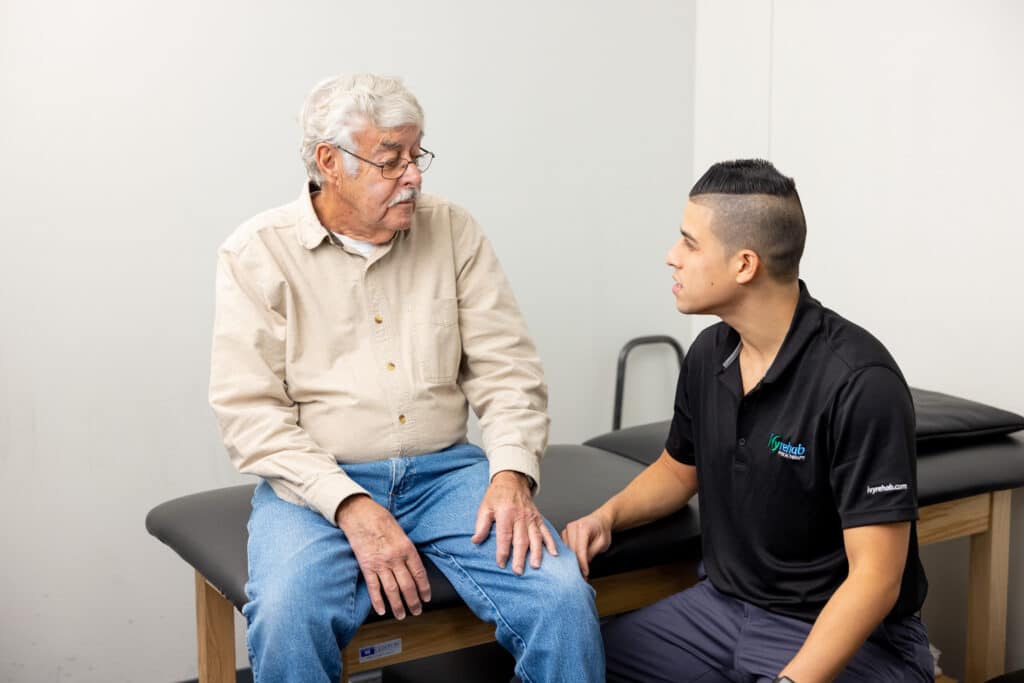
Prehab starts with a physical therapy evaluation. Your physical therapist looks at your current strength, mobility, balance, movement patterns, symptoms, goals, and timeline.
If you’re preparing for surgery, your therapist may also review your surgical plan or surgeon’s instructions. This helps therapy focus on the muscle groups, movements, safety needs, and home exercises that may matter after surgery.
If you’re using prehab for injury prevention, your therapist will look at the activities you do most often. That may include sports, lifting, running, work tasks, caregiving, or everyday movement.
Your plan may include strengthening, stretching, balance work, walking practice, body mechanics, home exercises, and education. The goal is to help you feel more prepared for what comes next.
Who Can Benefit from Prehab?
Post-surgical physical therapy may help people recovering from Prehab may help people prepare for surgery, return to activity, or address movement issues before they become bigger problems.
Prehab may be helpful if you:
- Have an upcoming orthopedic surgery.
- Are preparing for hip, knee, or shoulder replacement.
- Are scheduled for ACL reconstruction, rotator cuff surgery, spine surgery, or another orthopedic procedure.
- Want to understand what post-surgical rehab may involve.
- Have a physically demanding job and want to move with better strength and control.
- Are an athlete with recurring pain, past injuries, or movement concerns.
- Are returning to activity after time away from exercise.
- Want guidance on strength, mobility, balance, or movement quality before pain or injury limits you.
Even a short window before surgery or activity can be useful. Your physical therapist can help you focus on what matters most with the time you have.
Our Prehab Services
Pre-Surgical Prehab
Pre-surgical prehab helps you prepare for the physical demands of surgery and recovery. Your physical therapist will build your plan around the procedure, your current function, your surgeon’s instructions, and the time available before surgery.
Treatment may include strengthening, range-of-motion exercises, balance training, walking practice, body mechanics, and education. You may also practice using assistive devices, such as crutches, a cane, or a walker, if they are expected to be part of your recovery.
Prehab can also help reduce some of the uncertainty before surgery. You’ll know what exercises to practice, what movements may be limited or restricted, and what early rehab may look like.
Joint Replacement Prehab
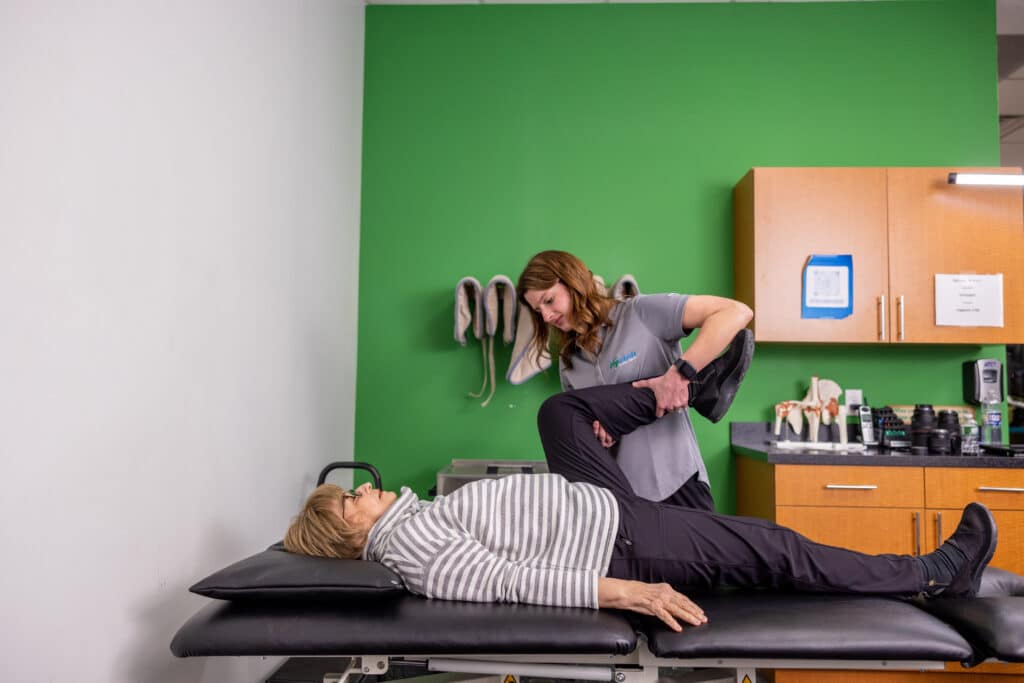
Prehab before joint replacement focuses on the muscles, movements, and daily tasks that often matter after surgery. For hip and knee replacement, that may include leg strength, balance, walking, stairs, and getting in and out of a chair.
For shoulder replacement, the plan may focus on shoulder mobility, shoulder blade control, posture, and safe ways to use the arm before and after surgery.
Your physical therapist may also help you prepare for your home setup, assistive devices, and early mobility needs. The more familiar these tasks feel before surgery, the less overwhelming they may feel afterward.
ACL and Knee Surgery Prehab
range of motion, quadriceps activation, hip strength, balance, and walking mechanics.
Going into surgery with better motion and muscle control may help support the early stages of rehab. Your physical therapist will tailor the plan to your injury, surgery timeline, pain level, and current activity goals.
Rotator Cuff and Shoulder Surgery Prehab
Shoulder surgery often comes with movement precautions during early recovery. Prehab can help you understand those restrictions before surgery and learn how to protect the shoulder while staying as active as possible.
Your physical therapist may work on shoulder mobility, shoulder blade strength, posture, pain management strategies, and safe movement habits. They may also teach you how to manage basic daily tasks when one arm has limits after surgery.
Injury Prevention Prehab for Athletes and Active Adults
Prehab can also help people who are not preparing for surgery. For athletes and active adults, the goal is to address movement patterns, weakness, stiffness, balance issues, or training habits that may increase injury risk.
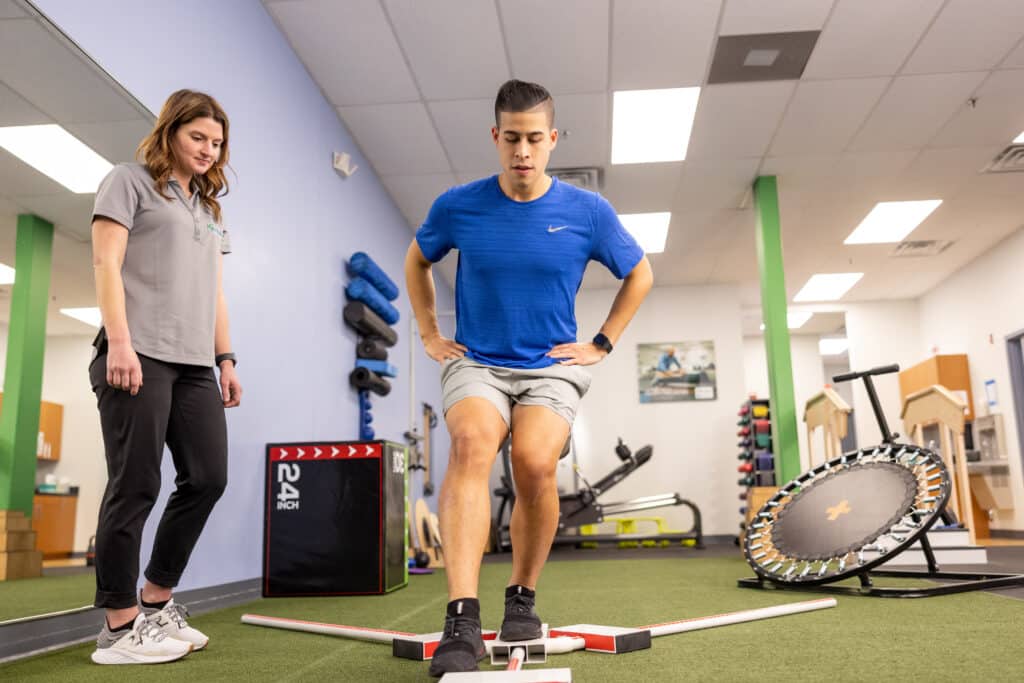
Your physical therapist may assess how you squat, jump, run, lift, reach, balance, or move through sport-specific patterns. From there, they build a program that supports better control, strength, mobility, and confidence during the activities you care about.
How We Approach Prehab
Step 1: Assessment and Goal Setting
Your prehab program starts with a physical therapy evaluation. Your therapist will ask about your surgery, sport, job, activity level, symptoms, concerns, and goals.
They may assess range of motion, strength, balance, walking, posture, body mechanics, and functional movement. These findings help your therapist decide what to prioritize first.
Step 2: A Focused Prehab Plan
We build your plan around your timeline. If surgery is coming soon, your physical therapist will focus on the highest priority exercises and education first.
If you have more time, the plan may progress gradually to build more strength, mobility, endurance, and movement control. For injury prevention, your therapist may update the plan as your activity level, training demands, or symptoms change.
Step 3: Education and Transition
Prehab is not just about exercise. It also helps you understand what to expect.
Before surgery, your physical therapist may review early rehab goals, movement restrictions, home exercises, walking needs, equipment, and safe ways to move through daily tasks. For injury prevention, they may teach warmups, strength routines, activity modifications, and home exercises that help you keep building on your progress.
The goal is to leave with a plan you understand and can use.

Take the first step toward relief.
You don’t have to live with back pain. Ivy Rehab’s expert team is ready to help you move better, feel stronger, and enjoy life without limitations. Schedule an appointment today for the best treatment for back pain.